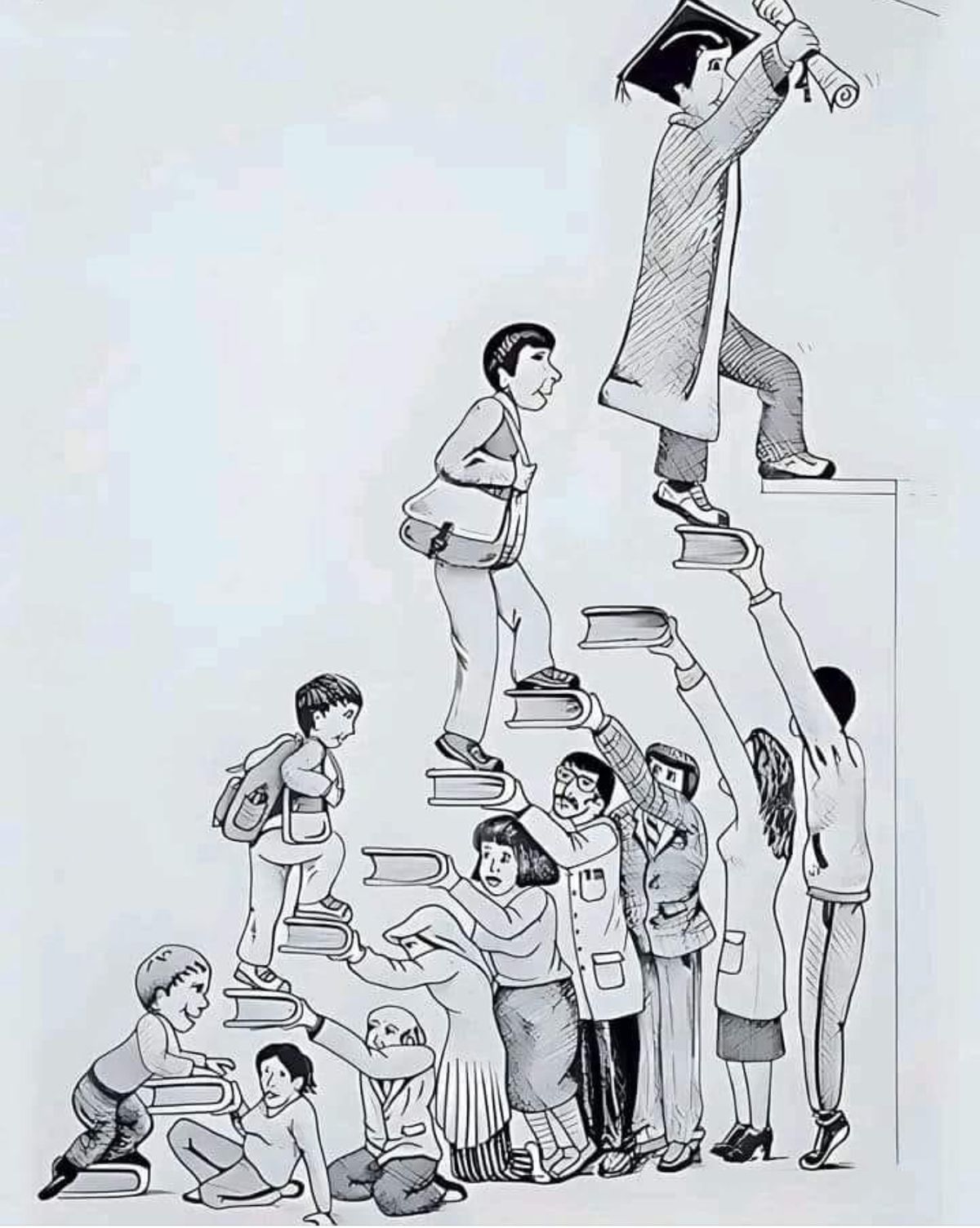
How Teachers Can Be Powerful Role Models: 8 Essential Ways to Inspire Students
Teachers have always been more than just educators – they are mentors, guides, and most importantly, role models who shape the minds and characters of their students. In today’s digital learning environment, where platforms like Classplus connect educators with learners across the globe, the influence of teachers as role models has become even more significant. The way teachers conduct themselves, both in traditional classrooms and online learning spaces, leaves lasting impressions on their students that extend far beyond academic knowledge.
The concept of teachers as role models isn’t new, but its importance has evolved with changing educational landscapes. When students see their teachers demonstrate integrity, passion, and dedication – whether through live classes on Classplus or in-person interactions – they internalize these values and often mirror them in their own lives.
1. Demonstrate Unwavering Integrity and Honesty
The foundation of being an effective role model lies in displaying consistent integrity. Teachers who admit their mistakes, acknowledge when they don’t know something, and always tell the truth create an environment of trust and authenticity. This honesty extends to digital platforms as well – when conducting online classes through Classplus, teachers who are transparent about technical difficulties or course changes show students that integrity matters in all situations.
Students learn more from what they observe than what they’re told. When teachers consistently demonstrate ethical behavior, students understand that character matters more than perfection. This lesson becomes particularly powerful in online learning environments where the temptation to cut corners might be greater.
2. Show Genuine Passion for Learning and Growth
Role model teachers never stop being students themselves. They demonstrate curiosity, ask questions, and show excitement about discovering new things. On platforms like Classplus, this might mean incorporating new teaching technologies, updating course content based on current trends, or sharing recent discoveries with students.
Teachers who model lifelong learning inspire students to view education as an ongoing journey rather than a destination. When students see their teachers embracing new challenges and continuously improving their skills, they learn that growth mindset is essential for success.
3. Practice Empathy and Emotional Intelligence
Great teacher role models understand and respond to their students’ emotional needs. They recognize that each student comes from different backgrounds and faces unique challenges. This empathy is crucial in both traditional and digital learning environments.
In online classrooms on Classplus, this might mean being patient with students who struggle with technology, understanding when personal circumstances affect participation, or creating inclusive discussions that welcome all perspectives. Teachers who demonstrate emotional intelligence teach students how to navigate relationships and understand others’ feelings.
4. Maintain Professionalism in All Interactions
Professional behavior serves as a blueprint for how students should conduct themselves in their future careers. This includes punctuality, appropriate communication, respect for others, and maintaining boundaries. On digital platforms like Classplus, professionalism might involve starting classes on time, responding promptly to student queries, and maintaining appropriate online etiquette.
Students observe how their teachers interact with colleagues, handle conflicts, and manage their responsibilities. These observations shape their understanding of workplace behavior and professional standards.
5. Embrace Resilience and Problem-Solving
Life inevitably presents challenges, and students learn valuable lessons by watching how their teachers handle difficulties. Role model teachers demonstrate resilience by adapting to unexpected situations, finding creative solutions to problems, and maintaining a positive attitude during setbacks.
The shift to online learning highlighted this quality perfectly. Teachers who successfully transitioned to platforms like Classplus, learned new technologies, and maintained teaching quality despite challenges showed their students that adaptability and perseverance are key to overcoming obstacles.
6. Foster Inclusivity and Respect for Diversity
Role model teachers create environments where every student feels valued and respected. They celebrate diversity, address bias when they see it, and ensure all voices are heard. In digital classrooms, this means creating inclusive online discussions, using diverse examples in teaching materials, and being mindful of different time zones and cultural backgrounds when scheduling classes on platforms like Classplus.
Students learn that diversity strengthens communities and that everyone deserves respect regardless of their background, beliefs, or circumstances.
7. Encourage Critical Thinking and Open-Mindedness
Teachers who serve as role models don’t just provide answers – they teach students how to think. They encourage questioning, welcome different perspectives, and model how to analyze information critically. This is particularly important in today’s information-rich digital world.
Whether teaching through Classplus or in traditional settings, role model teachers show students how to evaluate sources, consider multiple viewpoints, and form well-reasoned opinions. They demonstrate that changing one’s mind based on new evidence is a sign of wisdom, not weakness.
8. Balance Personal and Professional Responsibilities
Students benefit from seeing how successful adults manage multiple responsibilities. Role model teachers demonstrate how to balance work commitments with personal well-being, family time, and community involvement. This might involve setting clear boundaries for availability, showing how to manage stress healthily, and demonstrating the importance of self-care.
On platforms like Classplus, this balance might be evident in how teachers structure their online presence, manage their teaching schedule, and maintain work-life boundaries while still being accessible to students when needed.
The Digital Age Impact: Role Modeling in Online Learning
The rise of online education platforms like Classplus has created new opportunities and challenges for teachers to serve as role models. Digital learning environments require teachers to model digital citizenship, online professionalism, and technological adaptability. Students learn not just subject matter but also how to navigate digital spaces responsibly and effectively.
Teachers who successfully utilize platforms like Classplus demonstrate that embracing technology can enhance rather than replace human connection. They show students that digital tools are powerful when used thoughtfully and that online learning requires discipline, engagement, and respect just like traditional learning environments.
Building Character Beyond the Curriculum
When teachers embrace their role as models, they contribute to character development that extends far beyond academic achievement. Students who learn from strong role models are more likely to develop leadership skills, ethical decision-making abilities, and the confidence to pursue their goals.
The influence of a role model teacher often lasts a lifetime. Students remember not just what they learned but how their teachers made them feel and the examples they set. This impact multiplies in digital learning environments where teachers can reach students across geographical boundaries through platforms like Classplus.
Conclusion: The Lasting Impact of Teacher Role Models
Teachers have the unique privilege and responsibility of shaping future leaders, innovators, and citizens. By consciously embracing their role as models, teachers create positive ripple effects that extend far beyond their classrooms – whether physical or digital spaces like those provided by Classplus.
The eight strategies outlined above provide a framework for teachers who want to maximize their positive influence on students. Remember, being a role model doesn’t require perfection – it requires authenticity, growth, and a genuine commitment to helping students become their best selves.
In our interconnected world, where education increasingly happens through digital platforms, the opportunity for teachers to serve as role models has never been greater. Every interaction, every lesson, and every response is a chance to demonstrate the values and behaviors we want to see in the next generation.
The investment teachers make in being positive role models pays dividends not just in student achievement but in the kind of world those students will create as adults. Through platforms like Classplus and beyond, teachers continue to shape minds, touch hearts, and build the foundation for a better tomorrow.
Also Read: strong-student-teacher-relationships