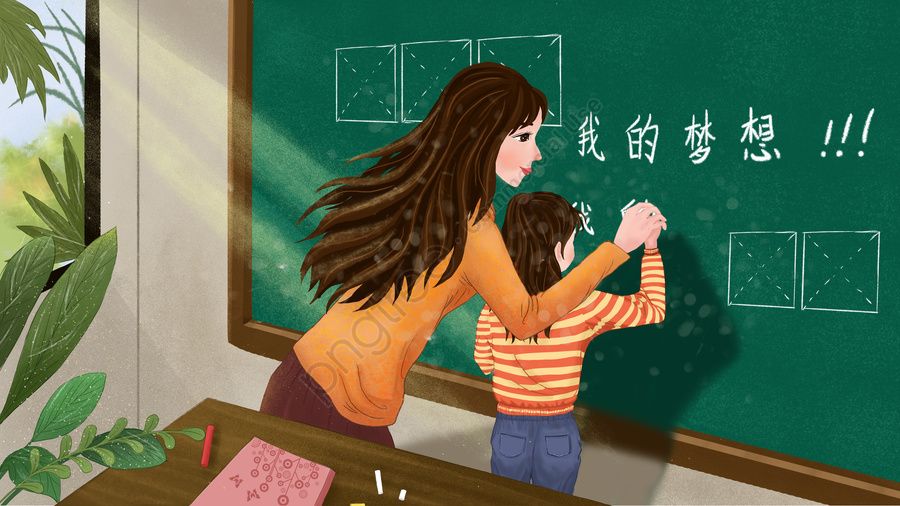
The digital transformation of education has fundamentally changed how teachers and students interact. While technology has made learning more accessible than ever, it has also created new challenges in building the meaningful connections that are essential for educational success. Strong student-teacher relationships remain one of the most critical factors in learning outcomes, but creating these bonds in virtual environments requires intentional strategies and innovative approaches.
Research consistently shows that positive and supportive teacher-student relationships are linked to improved academic performance and outcomes, while building strong, supportive teacher-student relationships fosters ownership and intrinsic motivation. In online learning environments, these relationships become even more crucial for student success and engagement.
1. The Foundation of Online Relationship Building
Building relationships in virtual classrooms starts with understanding the unique challenges and opportunities that digital platforms present. For many students, both online and hybrid learning can present difficulties due to the lack of interaction with their peers, and the absence of face-to-face interaction can be challenging.
Key Elements of Strong Online Relationships:
- Trust and mutual respect
- Clear communication channels
- Consistent presence and availability
- Personalized attention and recognition
- Empathy and emotional support
Foundational Strategies:
- Establish regular communication routines
- Create welcoming virtual environments
- Show genuine interest in students’ lives and goals
- Maintain consistent online presence
- Develop clear expectations and boundaries
2. Overcoming Physical Distance Barriers
The absence of physical presence in online learning doesn’t have to mean emotional distance. Students need to feel that their teachers are still “there” for them even in virtual environments.
Presence Building Techniques:
- Use video calls whenever possible to maintain face-to-face connection
- Implement regular check-ins and office hours
- Respond promptly to student communications
- Share appropriate personal experiences and stories
- Use students’ names frequently during interactions
Technology Solutions:
- Video messaging for personalized feedback
- Virtual backgrounds that create consistent classroom environments
- Screen sharing for collaborative problem-solving
- Interactive polling and real-time feedback tools
3. Creating Meaningful Engagement Opportunities
Effective engagement involves helping students understand what they need to achieve and why it matters, incorporating student interests, and providing choices that foster a sense of ownership.
Interactive Engagement Methods:
- Virtual breakout rooms for small group discussions
- Collaborative online projects and presentations
- Peer-to-peer learning opportunities
- Student-led discussions and presentations
- Real-time Q&A sessions and polls
Personal Connection Activities:
- Virtual coffee chats or informal conversation sessions
- Student spotlight features
- Interest-based discussion forums
- Goal-setting and progress tracking sessions
- Celebration of student achievements
4. Communication Strategies That Build Trust
Effective communication in online learning environments requires intentionality and multiple channels to ensure all students feel heard and valued.
Multi-Channel Communication Approach:
- Synchronous video sessions for real-time interaction
- Asynchronous discussion forums for thoughtful exchanges
- Private messaging for individual support
- Email for formal communications
- Social learning platforms for community building
Communication Best Practices:
- Use clear, encouraging language
- Provide specific, actionable feedback
- Acknowledge student contributions publicly
- Address challenges with empathy and solutions
- Maintain professional yet warm tone
5. Personalization in Virtual Learning Environments
Strategies such as setting clear teaching goals, providing effective feedback, implementing differentiated instruction, and creating opportunities for deep learning have been found to significantly enhance student outcomes.
Individualization Techniques:
- Learn students’ names, backgrounds, and interests
- Adapt content delivery to different learning styles
- Offer flexible assignment options and deadlines
- Provide personalized feedback and guidance
- Recognize individual progress and achievements
Data-Driven Personalization:
- Track student engagement and participation patterns
- Identify struggling students early through analytics
- Customize learning paths based on performance
- Adjust communication styles to student preferences
6. Building Community and Peer Connections
Strong student-teacher relationships often flourish within supportive learning communities where peer relationships also thrive.
Community Building Activities:
- Virtual study groups and collaboration spaces
- Peer mentoring programs
- Group projects with shared goals
- Online social events and informal gatherings
- Student-generated content and discussions
Facilitating Peer Interactions:
- Structure opportunities for students to teach each other
- Create collaborative assignments requiring teamwork
- Establish online discussion protocols that encourage respectful dialogue
- Use peer feedback and evaluation systems
7. Addressing Challenges in Online Relationship Building
Instructors struggle to engage with and build meaningful relationships with online students in the same manner as on-ground students, and without this critical component in place, online students report a lack of interest and produce lower quality work.
Common Challenges and Solutions:
Limited Non-Verbal Communication:
- Use video calls to observe body language and expressions
- Encourage camera use during important discussions
- Develop sensitivity to written communication cues
- Check for understanding more frequently
Technology Barriers:
- Provide technical support and training
- Offer multiple ways to participate
- Have backup communication methods
- Be patient with technical difficulties
Time Zone and Schedule Conflicts:
- Record important sessions for later viewing
- Offer multiple office hour time slots
- Use asynchronous discussion forums
- Provide flexible deadline options
8. Emotional Support and Mental Health Awareness
Online learning can sometimes feel isolating, making emotional support even more critical for student success and well-being.
Support Strategies:
- Regular wellness check-ins with students
- Mental health resources and referrals
- Stress management and study skills guidance
- Creating safe spaces for sharing concerns
- Recognizing signs of student distress
Building Emotional Intelligence:
- Model empathy and understanding
- Validate student feelings and experiences
- Share appropriate personal challenges and solutions
- Teach emotional regulation and coping strategies
9. How Classplus Enhances Student-Teacher Relationships
Building meaningful relationships in online learning requires more than good intentions – it demands a platform designed to facilitate genuine connections and engagement. This is where Classplus becomes invaluable for educators committed to creating impactful learning experiences.
Classplus Relationship-Building Features:
- Interactive Live Sessions: Real-time video classes that enable face-to-face interaction and immediate feedback
- Community Building Tools: Discussion forums, chat features, and collaborative spaces that foster peer connections
- Personalized Learning Paths: Customizable course structures that allow teachers to address individual student needs
- Progress Tracking: Detailed analytics that help teachers identify students who need additional support
- Mobile Accessibility: Students can connect from anywhere, increasing participation and engagement opportunities
Unique Advantages for Educators:
- Direct Communication Channels: Multiple ways to reach students including announcements, private messages, and group communications
- Student Engagement Analytics: Data-driven insights into student participation and progress
- Flexible Content Delivery: Various formats including videos, PDFs, quizzes, and interactive content
- Revenue Generation: Monetize your expertise while building meaningful educational relationships
Classplus empowers educators to create the kind of supportive, engaging online learning environment where strong teacher-student relationships naturally develop, leading to better learning outcomes and higher student satisfaction.
10. Assessment and Feedback in Relationship Building
Meaningful assessment and feedback practices strengthen relationships while supporting academic growth.
Relationship-Centered Assessment:
- Frequent, low-stakes assessments to gauge understanding
- Peer assessment and self-reflection activities
- Portfolio-based evaluation showing growth over time
- Individualized feedback that connects to student goals
Feedback Best Practices:
- Timely responses to student work and questions
- Specific, actionable suggestions for improvement
- Recognition of effort and progress, not just achievement
- Two-way feedback encouraging student input on teaching
11. Professional Development for Online Relationship Building
Effective online relationship building requires specific skills and ongoing development.
Essential Skills for Online Educators:
- Digital communication proficiency
- Virtual facilitation techniques
- Technology troubleshooting abilities
- Cultural sensitivity and inclusivity awareness
- Time management and organization skills
Continuous Improvement Strategies:
- Regular student feedback collection and analysis
- Professional learning communities for online educators
- Staying updated on educational technology trends
- Experimenting with new engagement strategies
12. Measuring Relationship Effectiveness
Strong relationships should translate into measurable improvements in student outcomes and satisfaction.
Key Indicators of Successful Relationships:
- Increased student participation and engagement
- Higher completion rates and academic performance
- Positive student feedback and testimonials
- Improved attendance and punctuality
- Enhanced peer-to-peer interactions
Assessment Tools:
- Regular student surveys and feedback forms
- Participation analytics and engagement metrics
- Academic performance tracking
- Retention and completion rate analysis
13. Cultural Sensitivity and Inclusivity
Online learning often brings together students from diverse backgrounds, making cultural awareness essential for relationship building.
Inclusive Practices:
- Acknowledge and celebrate diverse perspectives
- Use culturally responsive teaching methods
- Provide multiple ways for students to express themselves
- Address bias and promote equity in all interactions
- Create safe spaces for all students regardless of background
14. Long-term Relationship Maintenance
Building relationships is an ongoing process that extends beyond individual courses or semesters.
Sustaining Connections:
- Alumni networks and continued mentoring opportunities
- Progressive skill development across multiple courses
- Career guidance and professional connections
- Ongoing support and encouragement
- Creating lasting learning communities
15. Future Trends in Online Relationship Building
The landscape of online education continues to evolve, bringing new opportunities for connection and engagement.
Emerging Trends:
- AI-powered personalization and support systems
- Virtual and augmented reality for immersive experiences
- Gamification elements that encourage participation
- Social learning platforms that mirror social media engagement
- Micro-learning approaches that maintain regular contact
Conclusion
Strong student-teacher relationships remain the cornerstone of effective education, whether delivered in traditional classrooms or virtual environments. While online learning presents unique challenges, it also offers unprecedented opportunities for personalized, flexible, and inclusive relationship building.
The key lies in being intentional about connection, using technology as a bridge rather than a barrier, and maintaining the human elements that make learning meaningful. A positive classroom culture is the bedrock of engagement, fostered by building strong relationships, modeling respect, and celebrating mistakes as growth opportunities.
Success in online relationship building requires the right combination of strategies, tools, and platforms. By focusing on clear communication, personalized attention, community building, and ongoing support, educators can create virtual learning environments where students thrive both academically and personally.
For educators committed to building meaningful connections with their students, platforms like Classplus provide the technological foundation needed to create engaging, relationship-centered learning experiences that deliver real results for both teachers and students.
Remember, every interaction is an opportunity to strengthen relationships. Whether through a quick check-in message, detailed feedback on an assignment, or a encouraging comment during a live session, these moments of connection accumulate to create the trust and rapport that transform online learning from a transactional experience into a truly transformational one.
Also Read: building-personal-brand-teacher