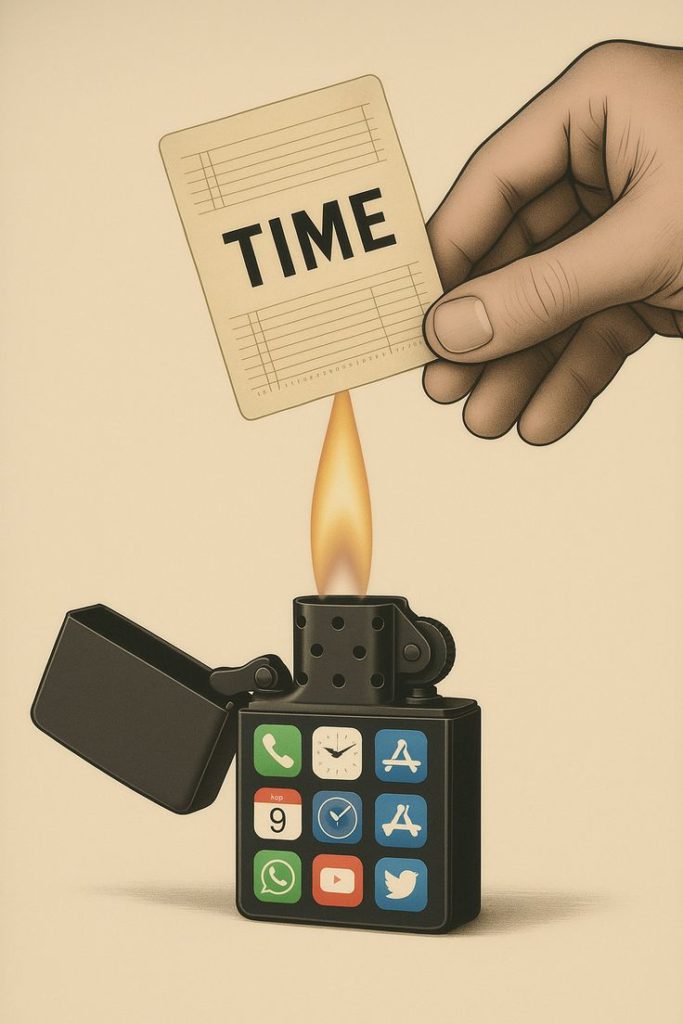
10 Procrastination Hacks That Actually Work for Students and Educators
We’ve all been there – staring at our to-do list, knowing exactly what needs to be done, yet somehow finding ourselves scrolling through social media or reorganizing our desk for the third time today. Procrastination is one of the biggest productivity killers for both students and educators, affecting learning outcomes and teaching effectiveness.
Whether you’re a student struggling to complete assignments or an educator trying to prepare lesson plans, these science-backed procrastination hacks will help you break free from the delay cycle and boost your productivity.
Understanding Why We Procrastinate
Before diving into solutions, it’s important to understand that procrastination isn’t about laziness or poor time management. Research shows it’s often an emotional regulation problem – we delay tasks that make us feel anxious, overwhelmed, or uncertain about our abilities.
1. The Two-Minute Rule
If a task takes less than two minutes, do it immediately. This simple rule prevents small tasks from accumulating into an overwhelming mountain of work.
For Students: Reply to that email from your professor, submit that quick assignment, or review yesterday’s notes.
For Educators: Send that parent update, grade a short quiz, or prepare tomorrow’s opening activity.
This hack works because it eliminates decision fatigue and creates momentum for larger tasks.
2. Break Large Projects into Micro-Tasks
Large projects feel overwhelming, which triggers procrastination. Break them down into specific, actionable steps that take 15-30 minutes each.
Example for Students: Instead of “Write research paper,” break it down to:
- Choose three potential topics (15 minutes)
- Research Topic A for 30 minutes
- Create an outline for chosen topic (20 minutes)
- Write introduction paragraph (25 minutes)
Example for Educators: Instead of “Plan next month’s curriculum,” break it down to:
- List learning objectives for Week 1 (20 minutes)
- Find three resources for Lesson 1 (30 minutes)
- Create one assessment question (15 minutes)
3. Use the Pomodoro Technique with a Twist
The classic Pomodoro Technique involves 25-minute focused work sessions followed by 5-minute breaks. However, customize the timing to match your attention span and the task complexity.
The Twist: Start with shorter intervals if 25 minutes feels too long. Even 10-minute focused sessions can build momentum and confidence.
Many successful educators using Classplus have found that scheduling their course content creation in Pomodoro sessions helps them stay consistent and avoid last-minute rushes.
4. Create Implementation Intentions
Instead of vague goals like “I’ll study later,” create specific if-then statements:
- “If it’s 2 PM, then I’ll review my chemistry notes for 30 minutes.”
- “If I finish lunch, then I’ll work on my assignment outline.”
- “If I open my laptop, then I’ll check my Classplus dashboard first.”
This hack works by removing the decision-making moment that often leads to procrastination.
5. Use the “Eat the Frog” Method
Tackle your most challenging or important task first thing in the morning when your willpower and energy are at their peak.
For Students: Do your hardest subject’s homework before easier tasks.
For Educators: Record your most complex lesson content or handle difficult administrative tasks early in the day.
This approach ensures that even if procrastination strikes later, you’ve already accomplished your most crucial work.
6. Set Up Environmental Cues
Your environment significantly impacts your behavior. Create visual and physical cues that prompt action rather than delay.
Productive Cues:
- Keep your study materials visible and organized
- Use your phone’s airplane mode during focused work time
- Create a dedicated workspace that signals “work mode”
Remove Tempting Cues:
- Log out of social media platforms
- Keep your phone in another room
- Close unnecessary browser tabs
7. Practice the “Just 5 Minutes” Rule
Commit to working on a task for just 5 minutes. Often, starting is the hardest part, and you’ll find yourself naturally continuing beyond the initial 5 minutes.
This hack leverages the Zeigarnik Effect – our brain’s tendency to remember interrupted tasks better than completed ones, creating a mental pull to finish what we started.
8. Use Accountability Systems
Share your goals with others and create accountability partnerships. This social pressure can be a powerful motivator.
Digital Accountability: Many educators on Classplus create study groups or accountability partnerships with fellow teachers, sharing their course creation goals and checking in regularly.
Physical Accountability: Study with friends, join online communities, or work alongside others (body doubling).
9. Reward Yourself Strategically
Create a reward system that motivates you without undermining your progress. The key is to match the reward size to the task difficulty.
Small Task Rewards: A cup of your favorite tea, a 10-minute walk, or a episode of a podcast.
Medium Task Rewards: A movie night, a special meal, or buying something you’ve wanted.
Large Project Rewards: A weekend trip, a significant purchase, or a celebration with friends.
10. Plan for Procrastination
Accept that procrastination will happen and build buffers into your schedule. This removes the perfectionist pressure that often leads to delay.
Buffer Strategies:
- Set personal deadlines 2-3 days before actual deadlines
- Schedule “catch-up” time slots in your weekly calendar
- Have backup tasks ready for when you’re avoiding your main work
How Classplus Supports Productive Learning Habits
Creating and maintaining productive habits is easier with the right tools and community. Classplus provides educators with an integrated platform that streamlines course creation, student engagement, and progress tracking – removing many of the friction points that lead to procrastination.
Features that combat procrastination:
- Structured Content Creation: Break down course development into manageable modules and lessons
- Progress Tracking: Visual progress indicators that provide motivation and accountability
- Community Support: Connect with other educators who understand your challenges and can provide accountability
- Automated Tools: Reduce administrative tasks so you can focus on what matters most – teaching and learning
The platform’s intuitive design means less time wrestling with technology and more time creating meaningful educational content.
Making These Hacks Stick
Remember, building new habits takes time and consistency. Start with 1-2 hacks that resonate most with you, practice them for 2-3 weeks until they become automatic, then gradually add others.
The goal isn’t perfection – it’s progress. Every small step away from procrastination is a victory worth celebrating.
Conclusion
Procrastination doesn’t have to control your academic or professional life. By understanding the psychology behind delay and implementing these proven strategies, you can build momentum, reduce stress, and achieve your learning goals more effectively.
Whether you’re a student working toward your degree or an educator building courses on Classplus, these hacks provide practical, actionable solutions for overcoming procrastination and boosting productivity.
Start small, be consistent, and remember that the best time to begin is now – not tomorrow, not next week, but right now. Pick one hack from this list and try it for the next 15 minutes. Your future self will thank you.
Also Read: factors-affecting-learning-student-success