In today’s fast-paced digital world, the way teachers connect with students is evolving faster than ever. While traditional classrooms, whiteboards, and even video lessons still have their place, there’s a powerful new medium on the rise—podcasting.
Across the globe, educators are putting on their headphones, hitting record, and using their voices to create a more personal, flexible, and impactful learning experience. Whether you’re a school teacher, college professor, or online tutor, podcasting offers an exciting opportunity to share knowledge, connect with your students on a deeper level, and build your own unique teaching brand.
Let’s dive into how podcasting is being used in education, why it’s catching on so quickly, and how you can start one of your own.
What Does Podcasting Look Like in Teaching?
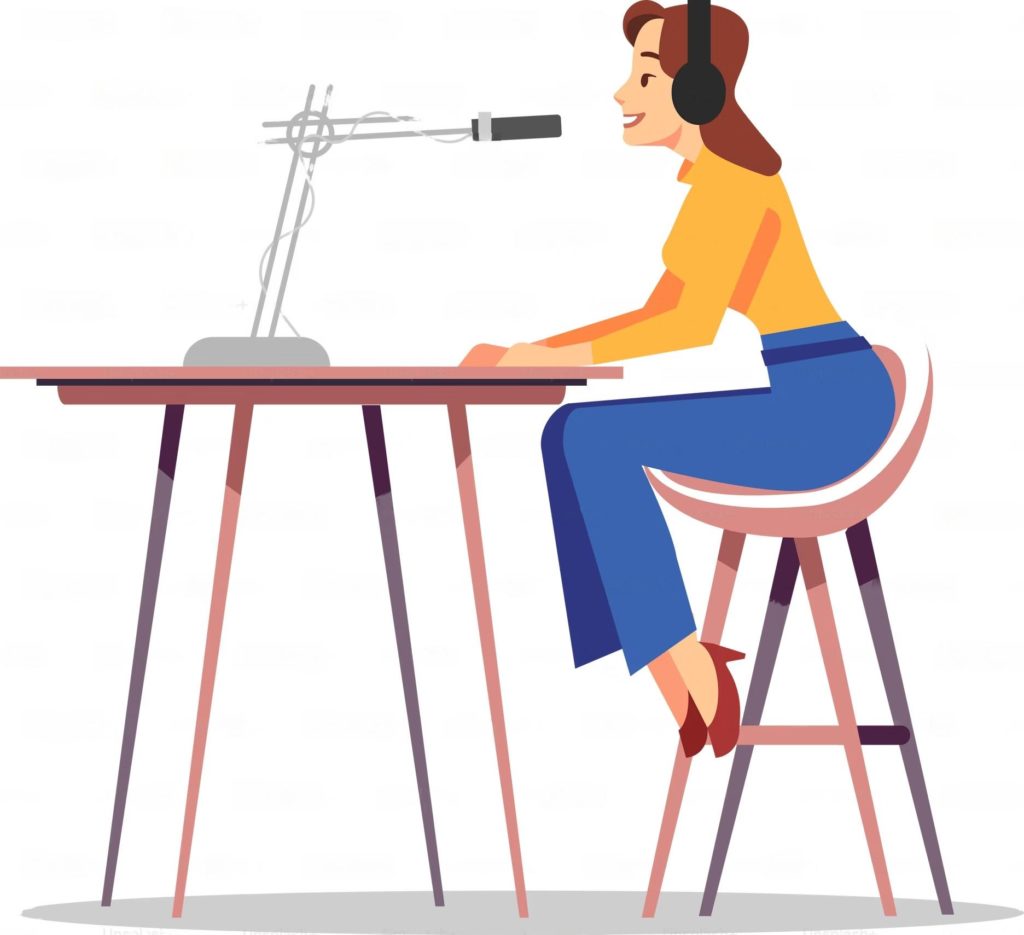
At its simplest, a podcast is an audio show that listeners can stream or download on platforms like Spotify, Apple Podcasts, or Google Podcasts. But in the world of education, podcasting means a lot more than just talking into a mic.
Educators are using it to:
- Break down tough topics in an easy-to-understand way
- Tell stories that bring learning to life
- Share insights and teaching strategies
- Reflect on challenges and experiences in the classroom
- Help students learn on the go
Unlike written assignments or video lectures, podcasts feel more personal—like a conversation with a mentor or friend. That’s what makes them so powerful in a learning environment.
Why More Teachers Are Starting Podcasts
So, what’s got teachers talking? Why are podcasts becoming such a popular tool among educators? Here are a few reasons:
🎙️ Convenience & Flexibility
Students can listen to lessons while traveling, working out, or doing chores. Teachers can record episodes from the comfort of their home or even during a quiet hour at school.
🧑🏫 Building a Personal Teaching Identity
Podcasting gives educators a platform to express their unique teaching style and ideas. It’s a great way to stand out, especially if you’re looking to grow beyond the classroom.
🧠 Making Learning Stick
The storytelling format of podcasts helps students better understand and remember concepts. You can add context, humor, or real-life examples that textbooks often miss.
💸 Low-Cost and Easy to Start
You don’t need fancy gear. A basic mic, your laptop, and some free software are all it takes to begin.
🤝 Collaboration and Community
Teachers often collaborate on episodes or invite guests to discuss important topics, creating a space for shared learning and professional growth.
Creative Ways Teachers Use Podcasts
Educators are getting really innovative with how they use podcasts. Here are a few standout ideas:
🔁 As Extra Learning Material
Many teachers record episodes to supplement lessons or provide revision support. It helps students go back to tough topics anytime.
Example: A science teacher might do a deep-dive episode on climate change to go beyond what’s in the textbook.
🎧 Student-Created Podcasts
Some teachers flip the script and let students become the creators. It’s a fun way to boost their research, communication, and presentation skills.
Example: Literature students can analyze a character’s journey through a podcast episode instead of writing an essay.
🧑💼 Professional Development for Educators
Teachers are using podcasts to help each other grow—sharing tips on lesson planning, classroom tech, or navigating curriculum changes.
Popular Examples:
- Teachers on Fire
- Cult of Pedagogy
These podcasts focus on making teaching more engaging and effective.
🏠 Connecting with Parents
Some schools have started podcasting to keep parents in the loop—sharing updates, student highlights, and school news in a more engaging way than the usual newsletter.
How to Start Your Own Teaching Podcast
Thinking of starting a podcast? Great idea. Here’s a step-by-step guide that’s beginner-friendly:
Step 1: Pick Your Niche
What will your podcast focus on? A subject like history, science, or English? Or maybe it’s for other teachers about teaching strategies?
Step 2: Plan a Few Episodes
Start with a small list—around 5–10 episodes. Don’t write full scripts, just outline the key points you want to cover. Keep the tone relaxed and friendly.
Step 3: Get the Basic Tools
You’ll need:
- A decent microphone (USB mics like Blue Yeti are great)
- Headphones
- Free editing software like Audacity or GarageBand
Step 4: Record and Edit
Find a quiet space to record. Don’t worry about making it perfect—just be clear and natural. Use editing tools to remove background noise and polish up the sound.
Step 5: Publish Your Episodes
Sign up on a hosting platform like Spotify for Podcasters, Podbean, or Buzzsprout. These will distribute your podcast across platforms like Apple and Google.
Step 6: Promote It
Share episodes with students, fellow teachers, on your school’s website, or on social media. You could even create a WhatsApp or Telegram group to share new releases.
Why Students Love Podcasts Too
It’s not just teachers benefiting—students are also loving this new way of learning. Here’s why:
✅ Learning Anytime, Anywhere
They can listen on the bus, at the gym, or during chores. It fits into their routine without needing screen time.
✅ Easier to Understand
Teachers often use real-life examples, jokes, or stories, which help students relate to the topic and remember it better.
✅ More Inclusive
Students with reading difficulties or visual impairments benefit from listening instead of reading long texts.
✅ Encourages Curiosity
A good podcast can spark interest and make students want to explore a subject further on their own.
Challenges to Be Aware Of
Podcasting has lots of upsides, but it’s not without its challenges. Here are a few things to watch out for:
⏳ Time Commitment
Planning, recording, and editing episodes does take some time, especially in the beginning.
🤷 Figuring Out the Tech
If you’re not tech-savvy, learning the basics of editing and uploading might feel overwhelming at first—but it gets easier.
🔇 Poor Audio Can Hurt Engagement
Bad sound quality or background noise can distract listeners. A quiet room and decent mic solve this quickly.
📊 Harder to Track Engagement
Unlike video platforms like YouTube, most podcast platforms don’t show detailed analytics like how long people listened or where they dropped off.
Tips to Make Your Podcast Successful
Want your podcast to not just launch but thrive? Here are a few tips:
🎯 Keep it Short and Focused
Stick to 10–15 minutes for student episodes and 30–40 minutes for peer discussions. It’s easier for people to stay engaged.
📢 Use a Catchy Intro and Outro
Start with something fun or powerful. End by asking listeners to follow, share, or give feedback.
🧠 Make It Relatable
Use real-world stories, student examples, and humor when possible. The more human it feels, the more it will connect.
📅 Be Consistent
Whether it’s weekly or bi-weekly, stick to a schedule so listeners know when to expect new episodes.
👂 Involve Your Listeners
Ask students or fellow teachers what topics they’d like to hear about next. You can even feature their voices in future episodes!
What About Podcasting in India?
Podcasting in India’s education sector is still relatively new, but it’s catching up quickly. Many Indian educators are starting podcasts in regional languages, making learning accessible in areas where English isn’t the first language.
EdTech platforms like Classplus, Teachmint, and Unacademy are also exploring audio content—giving teachers more tools to engage students digitally.
Even YouTube Shorts are being repurposed as mini-podcasts for quick revision tips, motivational bytes, or important announcements.
The Future of Teaching Is Audio-Friendly
As education continues to move toward blended and remote models, podcasting will likely play an even bigger role. Teachers who get on board early will have a head start in building their presence and deepening student engagement.
Picture this:
- A student preparing for an exam while listening to your summary episode
- A fellow teacher across the country learning from your classroom tips
- A parent understanding your teaching style through a short update episode
Podcasting isn’t just a tool—it’s a bridge. A bridge between the classroom and the world.
Final Thoughts: Let Your Voice Lead the Way
At the end of the day, teaching is about connection—and your voice is one of the most powerful tools you have. Podcasting helps you extend that connection beyond the walls of your classroom, reaching ears and minds in ways no textbook ever could.
So if you’ve ever felt like your lessons deserve a bigger stage—or your ideas need to reach more people—this is your sign. Grab a mic, pick a topic you love, and just start. Who knows? Your voice might just be the one that inspires a student, supports a peer, or transforms the way we all learn.
🔎 FAQs
1. Is podcasting suitable for all kinds of teachers?
Yes! Whether you teach school kids, college students, or train other teachers—there’s a way podcasting can fit your style and audience.
2. Do I need expensive tools to get started?
Nope. A basic microphone, your computer, and free editing software are all you need to begin.
3. How can I make my podcast interesting for students?
Keep it short, use stories, and relate it to things happening in their lives or the world around them.
4. Can podcasting help me grow professionally?
Absolutely. It helps build your personal brand, showcase your expertise, and even connect you to other educators globally.
5. Where should I share my podcast?
Start with platforms like Spotify, Apple Podcasts, or Google Podcasts. Then promote it on WhatsApp, Telegram, school newsletters, or your social media.