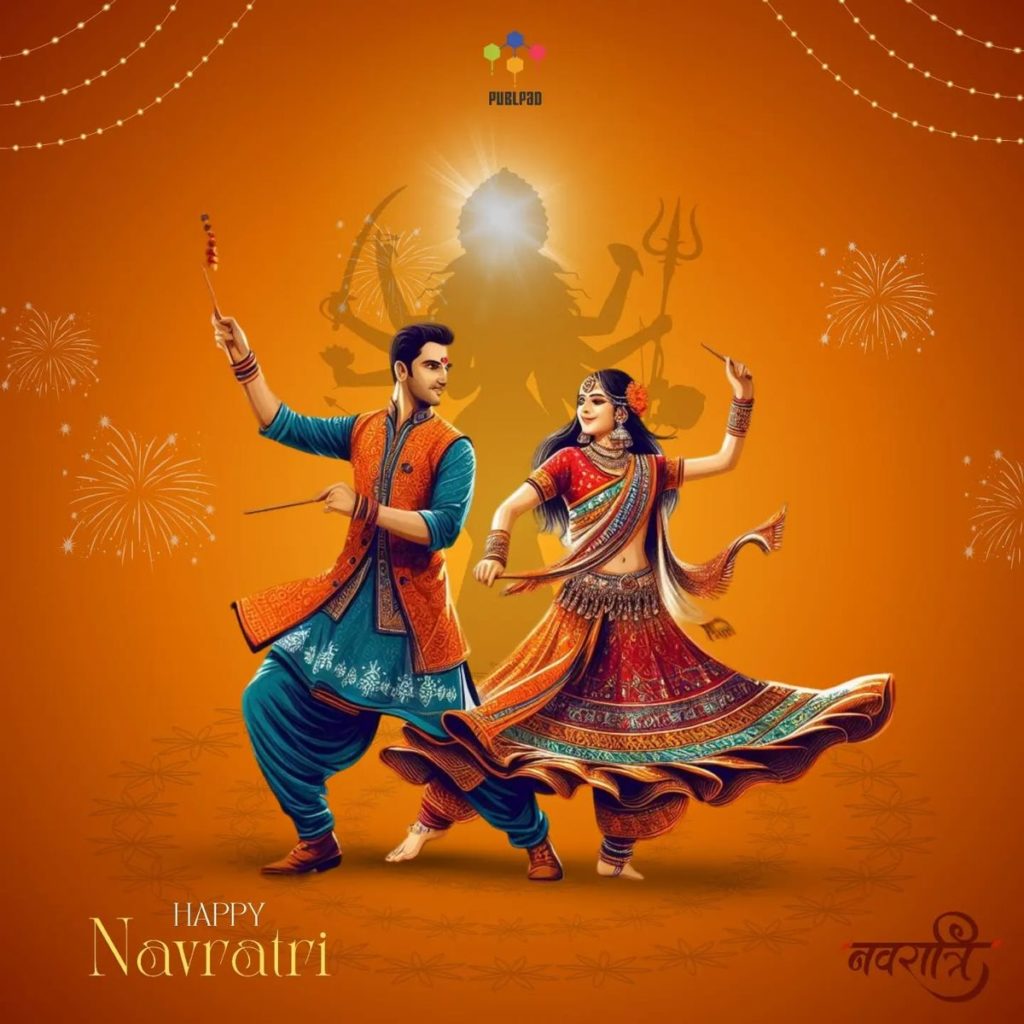
Navratri: Celebrating the Nine Divine Energies | Classplus
Navratri, a significant festival in Hindu culture, is dedicated to the worship of Goddess Durga, who embodies nine divine energies known as Navadurga. Each day of Navratri celebrates a different form of the goddess, representing various aspects of life and spirituality. This blog will explore the nine divine energies, their significance, and how Classplus can support educators and students in understanding and celebrating these powerful symbols.
1. Shailputri (Day 1)
Shailputri represents the daughter of the mountains and signifies the power of nature. She embodies purity and devotion.
Classplus can provide resources and lesson plans that help students learn about the importance of nature and environmental conservation, inspired by the teachings of Shailputri.
2. Brahmacharini (Day 2)
Brahmacharini symbolizes knowledge and wisdom. She represents the pursuit of learning and the importance of self-discipline.
Classplus offers tools for educators to create engaging learning experiences that foster discipline and the pursuit of knowledge, embodying the spirit of Brahmacharini.
3. Chandraghanta (Day 3)
Chandraghanta is the goddess of beauty and bravery. She represents the power to overcome obstacles with grace and strength.
Classplus can help educators develop programs that encourage students to face challenges with courage and resilience, inspired by the teachings of Chandraghanta.
4. Kushmanda (Day 4)
Kushmanda represents the creative energy of the universe. She embodies the power of creation and abundance.
Classplus supports creativity in education by providing platforms for students to explore their creative potential, reflecting the energy of Kushmanda.
5. Skandamata (Day 5)
Skandamata, the mother of Lord Kartikeya, symbolizes motherhood and nurturing. She represents love, care, and protection.
Classplus can facilitate discussions on the importance of nurturing relationships in educational settings, promoting a supportive community inspired by Skandamata.
6. Katyayani (Day 6)
Katyayani embodies strength and valor. She is a warrior goddess who represents the fight against injustice.
Classplus can empower students to stand up for their beliefs and advocate for justice through educational programs and discussions inspired by Katyayani.
7. Kalratri (Day 7)
Kalratri symbolizes the fierce and protective aspect of the goddess. She represents the removal of darkness and negativity.
Classplus can help educators create a positive learning environment that encourages students to overcome fears and negativity, reflecting the energy of Kalratri.
8. Mahagauri (Day 8)
Mahagauri represents purity and peace. She embodies forgiveness and the ability to rise above challenges.
Classplus can promote mindfulness and emotional well-being in students, encouraging practices that foster inner peace and resilience inspired by Mahagauri.
9. Siddhidhatri (Day 9)
Siddhidhatri is the goddess of accomplishment and success. She represents the fulfillment of desires and spiritual enlightenment.
Classplus can support students in setting and achieving their academic and personal goals, fostering a sense of accomplishment that aligns with the teachings of Siddhidhatri.
Conclusion
The nine divine energies celebrated during Navratri each carry profound meanings that resonate with various aspects of life, from knowledge and creativity to strength and nurturing. By understanding these energies, we can draw inspiration from them in our daily lives.
Classplus is dedicated to supporting educators and students in embracing cultural festivals like Navratri. By providing resources, tools, and a platform for collaboration, Classplus empowers individuals to deepen their understanding and appreciation of their heritage. This Navratri, let’s celebrate the divine energies and inspire personal growth and community connection!
Also Read: teacher-skills-2025-classplus