In today’s digital-first world, teachers are not limited to the four walls of a classroom. From online classes to YouTube lectures and mobile apps, Indian educators are now exploring exciting avenues to share knowledge and build their personal brand. One such powerful and underrated tool is a Podcast.
Yes, podcasts are no longer just about crime thrillers or celebrity interviews—they are becoming a thriving space for educators to teach, inspire, and build a community. Whether you’re a school teacher, tuition tutor, or online educator, starting your own Podcast channel can help you reach thousands of students and fellow educators across India and even globally.
In this blog, we’ll guide you step-by-step on how to start your own Podcast, what tools to use, how to plan your episodes, how to promote your podcast, and how it can add value to your teaching career.
Why Teachers in India Should Start a Podcast Channel
Before we jump into the “how”, let’s understand the “why.”
1. Reach a Wider Audience
With over 150 million podcast listeners in India as of 2024, there is a huge market waiting to consume educational content in audio format. Your classroom may have 30–100 students, but your podcast can reach thousands!
2. Build a Personal Brand
In a competitive educational space, standing out is important. A podcast helps you build your own identity as an expert in your subject, whether it’s Science, English, Hindi, History, or even exam strategy.
3. Flexible Teaching Tool
Unlike video lectures that require you to look perfect and have great lighting, a podcast can be recorded anytime, anywhere—even from your mobile phone.
4. Earn Extra Income
Once you grow your audience, you can monetize your podcast through brand collaborations, student subscriptions, or even integrate it with platforms like Classplus to sell premium content.

Step 1: Define Your Podcast Niche 🎯
The first and most important step is to define what your podcast will focus on. As a teacher in India, you have many options based on your subject and expertise:
- Subject-Specific Podcast: Eg. “Physics with Priya Ma’am” or “Daily Grammar Bytes”
- Exam Preparation: Eg. “Crack NEET with Dr. Raj” or “UPSC Simplified”
- Motivational & Career Advice: Eg. “Teacher Talks: Life & Learning”
- Teaching Tips for Educators: Eg. “EduSpark for Teachers”
- Language Learning: Eg. “Spoken English for Hindi Speakers”
Pick a niche that excites you and that your audience would genuinely benefit from. Don’t try to teach everything to everyone. Focus is key.
Step 2: Plan Your Podcast Format and Episodes 📝
Here are the most popular formats that work well for teachers:
➤ Solo Episodes
You talk about a topic directly—like teaching a lesson, explaining a concept, or sharing tips.
➤ Interview Format
Invite other teachers, students, or experts for discussions.
➤ Q&A Style
Answer questions submitted by your students or followers.
➤ Storytelling Format
Use real-life stories or fictional scenarios to make your teaching more engaging.
Also, plan your episode duration:
- For students: Keep it between 10–20 minutes
- For teachers or deep discussions: 30–45 minutes works well
Create an episode plan in advance. Decide the first 5–10 topics before you begin. This will keep your momentum going.
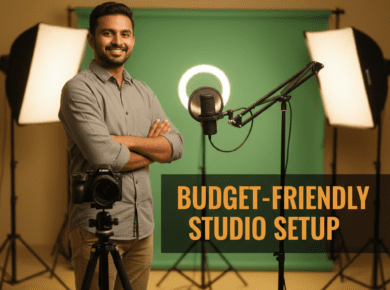
Step 3: Set Up Your Podcast Equipment 🎧
You don’t need a fancy studio. As a teacher starting out, start small and upgrade later.
🎙️ Basic Equipment Checklist:
- Microphone: A good budget mic like Boya BYM1 (₹800–₹1000) or a USB mic like Fifine K669 (₹2,500–₹3,000) is enough.
- Laptop or Smartphone: You can record directly using free software.
- Headphones: To monitor your audio.
- Quiet Space: Choose a silent room. Even a cupboard with clothes can work as a soundproof booth!
🛠️ Recording Tools:
- Anchor.fm (Free and easy to use for beginners)
- Audacity (Free desktop software for recording/editing)
- GarageBand (For Mac/iPhone users)
- Zoom/Google Meet (If you’re recording interviews)
Step 4: Record and Edit Your Podcast 🖥️
Once you have your topic and equipment ready, it’s time to hit record!
🔴 Recording Tips:
- Prepare a script or bullet points.
- Record in short segments to avoid mistakes.
- Speak naturally, like you’re talking to a student in front of you.
- Use Indian examples or case studies to connect better.
✂️ Editing Tips:
- Trim background noise.
- Remove “umms” and long pauses.
- Add intro music (use royalty-free music from sites like Pixabay or Bensound).
You can also hire part-time editors from platforms like Fiverr if editing is not your thing.
Step 5: Publish Your Podcast 🚀
Now comes the exciting part—sharing your podcast with the world.
Use free platforms like:
- Spotify via Anchor (anchor.fm lets you publish on Spotify, Apple Podcasts, Google Podcasts, etc.)
- Hubhopper (Made in India platform, very teacher-friendly)
- KukuFM (Popular among Indian listeners, especially Hindi-speaking users)
Write a catchy title and description for each episode with keywords like “NEET tips”, “CBSE Class 10”, “UPSC motivation”, etc. This improves discoverability.
Step 6: Promote Your Podcast 🗣️
Just uploading is not enough. You need to tell the world about it.
📢 Promotion Tips for Indian Teachers:
- WhatsApp Groups: Share links with your students and parents.
- YouTube Shorts/Reels: Post 30-sec teaser clips from your episodes.
- Classplus App: If you have your own teaching app, feature your podcast there.
- Instagram & Facebook: Use carousels, polls, and stories to generate interest.
- Telegram Channels: Popular among competitive exam teachers.
Encourage your students to leave reviews and share episodes. Word-of-mouth works wonders in the Indian education community.
Step 7: Stay Consistent and Measure Growth 📈
Like a new class schedule, your podcast also needs discipline. Decide a frequency you can sustain:
- Weekly? Bi-weekly? Monthly?
Use Anchor or Spotify analytics to track:
- Number of listens per episode
- Audience location and age group
- Popular topics (to help plan future content)
Step 8: Monetize Your Podcast 💰
Once you have a loyal listener base, you can start earning from your podcast in these ways:
🪙 Monetization Ideas:
- Sell Premium Courses: Use your podcast to drive traffic to your paid content on Classplus or other platforms.
- Student Subscriptions: Offer exclusive audio lectures or study plans behind a paywall.
- Sponsorships: Partner with edtech brands or stationery companies.
- Affiliate Marketing: Promote educational tools or books with your affiliate links.
- Workshops/Webinars: Use your podcast to promote paid live sessions.
Bonus Tips: Podcasting Success Secrets for Indian Teachers 💡
- ✅ Use Hinglish: It connects better with the Indian audience than pure English or Hindi.
- ✅ Celebrate Local: Talk about festivals, board exam dates, or regional news to make it relevant.
- ✅ Add Value in Every Episode: Students should feel they’ve learned something every time they listen.
- ✅ Collaborate: Feature other teachers, coaching institute heads, or even ex-students as guests.
- ✅ Feedback Loop: Create a Google Form and ask students what they want to hear next.
Real-Life Example: Indian Teachers Who’ve Made It Big with Podcasts 🎤
- Sakshi Sharma – “English Easy with Sakshi” Focuses on English speaking for Hindi-medium students. Gained popularity on Spotify and used it to grow her YouTube and paid courses.
- Rakesh Sir – “Science Simplified” A school teacher from Jaipur whose audio explanations of Class 9 and 10 topics became a hit among CBSE students.
- Ritu Ma’am – “Teachers Gyaan” A podcast by teachers, for teachers—discussing classroom hacks, tech tips, and NEP 2020.
Conclusion: Let Your Voice Teach Beyond the Classroom 🎓
As an Indian teacher, you already have the superpower to teach, inspire, and change lives. Podcasting gives your voice a wider reach—not just in metros but in Tier-2 and Tier-3 cities, and even in rural India where students love learning through mobile phones and audio.
You don’t need to be a tech expert or invest heavily. All you need is passion, consistency, and a mic. Whether you’re teaching school students, competitive aspirants, or training fellow teachers, your podcast can become your most powerful teaching tool in 2025 and beyond.
So, what are you waiting for?
🎧 Start your Podcast today and become the voice that inspires a generation.