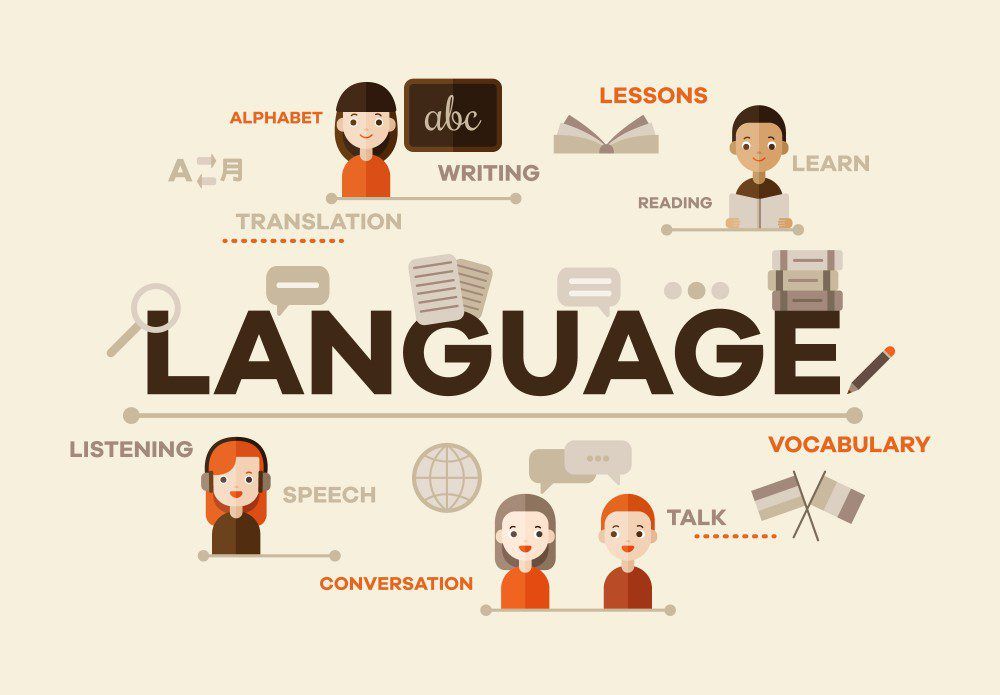
7 Effective Tips to Teach Foreign Language Online: Complete Guide for Educators
The digital revolution has transformed language education, making it possible to teach foreign languages to students across the globe. With the rise of online learning platforms, language educators now have unprecedented opportunities to reach diverse audiences and create engaging learning experiences. However, teaching a foreign language online comes with unique challenges that require specific strategies and approaches.
Whether you’re a seasoned language instructor transitioning to digital platforms or a new educator looking to start your online teaching journey, this comprehensive guide will provide you with seven proven strategies to make your online foreign language classes effective, engaging, and successful.
Why Online Foreign Language Teaching is Booming
Before diving into our expert tips, it’s important to understand why online language education has become such a powerful force in the learning landscape. The global online language learning market is projected to reach billions of dollars, driven by factors such as:
- Accessibility: Students can learn from anywhere in the world
- Flexibility: Learners can schedule classes according to their convenience
- Cost-effectiveness: Lower overhead costs compared to physical classrooms
- Personalization: Technology enables customized learning experiences
- Global reach: Access to native speakers and diverse teaching styles
With platforms like Classplus empowering educators to create their own teaching apps and reach students worldwide, there has never been a better time to establish your online foreign language teaching business.
Tip 1: Create an Immersive Virtual Environment
1.1 Design Your Digital Classroom Strategically
The foundation of successful online foreign language teaching lies in creating an environment that simulates real-world language immersion. Your virtual classroom should feel welcoming, organized, and culturally rich.
Key Elements to Include:
- Visual Aids: Use images, flags, maps, and cultural artifacts from countries where the target language is spoken
- Clear Layout: Organize your screen space efficiently with designated areas for content, chat, and interactive elements
- Consistent Branding: Maintain professional appearance that reflects your teaching style and the target language culture
1.2 Leverage Technology for Immersion
Modern technology offers incredible opportunities to create immersive experiences:
- Virtual Reality Tools: Use VR applications for virtual tours of foreign cities
- 360-Degree Videos: Show students real-life scenarios in target language countries
- Interactive Backgrounds: Use culturally relevant virtual backgrounds during video calls
- Multimedia Content: Integrate authentic videos, music, and audio from native sources
How Classplus Enhances Your Virtual Environment:
Classplus provides educators with comprehensive tools to create immersive learning experiences:
- Customizable App Interface: Design your teaching app with cultural themes and colors
- Multimedia Content Integration: Seamlessly upload and organize videos, audio files, and interactive content
- Professional Branding: Create a consistent brand identity across all your teaching materials
- Student Engagement Tools: Use built-in features like polls, quizzes, and interactive whiteboards
1.3 Establish Clear Communication Protocols
Effective communication is crucial in online language learning:
- Set clear guidelines for when to use the target language vs. native language
- Establish hand signals or chat commands for common classroom interactions
- Create a supportive atmosphere where mistakes are celebrated as learning opportunities
Tip 2: Implement Interactive and Engaging Teaching Methods
2.1 Move Beyond Traditional Lecture Formats
Online foreign language teaching requires more interactive approaches than traditional classroom methods. Students’ attention spans are shorter in digital environments, making engagement crucial for retention and progress.
Interactive Teaching Techniques:
- Role-Playing Activities: Create scenarios where students practice real-life conversations
- Virtual Scavenger Hunts: Students find objects in their homes and describe them in the target language
- Breakout Room Conversations: Pair students for focused speaking practice
- Interactive Games: Use digital versions of word games, pronunciation challenges, and cultural quizzes
2.2 Incorporate Multimedia Learning
Different learning styles require varied content delivery methods:
Visual Learners:
- Infographics and charts for grammar rules
- Video content with subtitles
- Mind maps for vocabulary building
- Cultural photo galleries
Auditory Learners:
- Podcasts and audio stories
- Music and songs in the target language
- Pronunciation drills and listening exercises
- Audio recordings of native speakers
Kinesthetic Learners:
- Interactive online exercises
- Virtual reality experiences
- Gesture-based learning activities
- Online simulations and games
2.3 Use Gamification Strategies
Transform learning into an engaging game-like experience:
- Progress Badges: Reward students for achieving milestones
- Leaderboards: Create friendly competition among learners
- Achievement Systems: Set up levels and unlockable content
- Challenge-Based Learning: Weekly challenges that encourage consistent practice
Classplus Gamification Features:
- Progress Tracking: Monitor student advancement with detailed analytics
- Achievement Badges: Built-in reward systems to motivate learners
- Interactive Assessments: Create engaging quizzes and tests
- Community Features: Enable students to interact and compete with peers
Tip 3: Focus on Speaking and Pronunciation from Day One
3.1 Prioritize Oral Communication
Many online language courses focus heavily on reading and writing, but speaking skills are often what students need most. From the very first lesson, emphasize verbal communication and create numerous opportunities for students to practice speaking.
Speaking-Focused Strategies:
- Daily Warm-ups: Start each session with speaking exercises
- Pronunciation Drills: Use repetition and mimicking techniques
- Conversation Starters: Provide topics and questions to encourage discussion
- Speaking Challenges: Weekly assignments that require video or audio submissions
3.2 Address Pronunciation Systematically
Pronunciation is one of the most challenging aspects of learning a foreign language online. Without face-to-face interaction, students may struggle with proper mouth positioning and sound production.
Effective Pronunciation Techniques:
- Phonetic Training: Teach the International Phonetic Alphabet (IPA) symbols
- Mirror Exercises: Have students watch themselves speak to observe mouth movements
- Record and Compare: Students record themselves and compare with native speaker examples
- Visual Aids: Use diagrams showing tongue and mouth positioning for different sounds
3.3 Create Speaking Opportunities
Individual Speaking Practice:
- One-on-one sessions for personalized feedback
- Voice message assignments
- Self-recording exercises with specific prompts
- Pronunciation assessment tools
Group Speaking Activities:
- Virtual discussion groups
- Debate sessions on cultural topics
- Collaborative storytelling
- Peer teaching exercises
How Classplus Supports Speaking Practice:
- Live Video Sessions: High-quality video calling for real-time interaction
- Recording Features: Students can submit speaking assignments directly through the app
- Audio Integration: Seamless audio playback for pronunciation comparison
- Community Discussion: Forums where students can practice written communication
Tip 4: Utilize Technology Tools and Platforms Effectively
4.1 Choose the Right Technology Stack
Successful online foreign language teaching requires a well-integrated set of digital tools. The key is selecting platforms that complement each other and enhance the learning experience without overwhelming students.
Essential Technology Categories:
Video Conferencing Platforms:
- Zoom, Google Meet, or Microsoft Teams for live sessions
- Features to look for: breakout rooms, screen sharing, recording capabilities
- Integration with learning management systems
Interactive Whiteboards:
- Miro, Jamboard, or built-in whiteboard tools
- Real-time collaboration features
- Template libraries for language learning activities
Content Creation Tools:
- Canva for visual materials and infographics
- Loom for creating instructional videos
- Audacity for audio content and pronunciation guides
4.2 Leverage AI and Language Learning Apps
Modern technology offers sophisticated tools specifically designed for language learning:
AI-Powered Tools:
- Speech Recognition: Apps that provide instant pronunciation feedback
- Grammar Checkers: Tools that help students improve their writing
- Translation Assistants: Smart translation tools for quick clarification
- Chatbots: AI conversation partners for additional practice
Specialized Language Apps:
- Integrate popular apps as supplementary resources
- Create assignments that use these tools
- Recommend apps for specific skill development
- Monitor student progress across platforms
4.3 Maximize Your Teaching Platform’s Potential
Classplus: Your Complete Teaching Solution
Classplus offers a comprehensive ecosystem for foreign language educators:
Course Management:
- Structured Curriculum: Organize lessons in logical progression
- Assignment Tracking: Monitor student submissions and provide feedback
- Progress Analytics: Detailed insights into student performance and engagement
- Flexible Scheduling: Easy booking system for live sessions
Content Delivery:
- Multi-format Support: Upload videos, audio files, PDFs, and interactive content
- Offline Access: Students can download materials for offline study
- Mobile Optimization: Learning on-the-go with dedicated mobile apps
- Cloud Storage: Secure storage for all your teaching materials
Student Engagement:
- Push Notifications: Remind students about classes and assignments
- Discussion Forums: Community building and peer interaction
- Live Chat: Real-time communication during and between sessions
- Feedback Systems: Collect student opinions and improve your courses
Tip 5: Build Strong Student Relationships and Community
5.1 Create Personal Connections in Virtual Spaces
One of the biggest challenges in online education is maintaining the personal touch that makes learning memorable and effective. Building strong relationships with your students is crucial for their motivation and success.
Relationship Building Strategies:
- Personal Check-ins: Start each session with informal conversation
- Student Spotlights: Feature different students each week to share about their culture
- Individual Progress Meetings: Regular one-on-one sessions to discuss goals and challenges
- Cultural Exchange: Encourage students to share aspects of their own culture
5.2 Foster a Supportive Learning Community
Transform your online classroom from a collection of individual learners into a cohesive, supportive community:
Community Building Activities:
- Buddy Systems: Partner students for mutual support and practice
- Group Projects: Collaborative assignments that require teamwork
- Cultural Celebrations: Virtual events celebrating holidays from the target language countries
- Peer Teaching: Students teach each other aspects of their native languages
5.3 Maintain Consistent Communication
Regular communication is essential for keeping students engaged and motivated:
Communication Channels:
- Weekly Newsletters: Updates, tips, and encouragement via email
- Social Media Groups: Private Facebook groups or WhatsApp chats for informal interaction
- Office Hours: Dedicated time for questions and additional help
- Progress Reports: Regular updates on student advancement and areas for improvement
How Classplus Builds Community:
- Student Profiles: Detailed student information helps personalize interactions
- Community Features: Built-in discussion forums and group messaging
- Event Management: Organize virtual cultural events and study groups
- Parent Communication: Keep parents informed about student progress (for younger learners)
Tip 6: Provide Regular Feedback and Assessment
6.1 Implement Continuous Assessment
Traditional testing methods don’t always work effectively in online environments. Instead, focus on continuous assessment that provides ongoing feedback and measures progress in real-time.
Assessment Strategies:
- Formative Assessments: Regular low-stakes quizzes and check-ins
- Portfolio Development: Students compile work samples showing progress over time
- Peer Assessment: Students evaluate each other’s work with guided rubrics
- Self-Assessment: Encourage students to reflect on their own learning journey
6.2 Use Technology for Efficient Feedback
Leverage digital tools to provide timely, detailed, and personalized feedback:
Digital Feedback Methods:
- Audio Feedback: Record verbal comments for speaking assignments
- Video Responses: Create personalized video messages explaining corrections
- Screen Recording: Show students exactly how to improve their written work
- Automated Assessments: Use AI tools for instant feedback on pronunciation and grammar
6.3 Create Clear Progress Indicators
Students need to see their advancement to stay motivated:
Progress Tracking Systems:
- Competency Maps: Visual representations of skills and proficiency levels
- Learning Milestones: Clear markers for different stages of language acquisition
- Goal Setting: Help students set and track personal learning objectives
- Celebration of Achievements: Recognize and celebrate student successes regularly
Classplus Assessment Features:
- Built-in Quiz Builder: Create comprehensive assessments with multiple question types
- Automated Grading: Save time with instant scoring and feedback
- Progress Analytics: Detailed reports showing student performance trends
- Custom Certificates: Award digital certificates for course completion and milestones
Tip 7: Adapt Your Teaching Style to Individual Learning Needs
7.1 Recognize Different Learning Styles
Online foreign language teaching provides unique opportunities to cater to diverse learning preferences. Understanding and adapting to individual learning styles can significantly improve student outcomes.
Learning Style Categories:
Visual Learners (65% of population):
- Prefer charts, diagrams, and written instructions
- Benefit from color-coded materials and mind maps
- Need visual organization and clear layout
- Respond well to infographics and video content
Auditory Learners (30% of population):
- Learn best through listening and verbal instruction
- Benefit from discussions, debates, and audio materials
- Need verbal repetition and explanation
- Respond well to music and rhythmic learning
Kinesthetic Learners (5% of population):
- Learn through hands-on activities and movement
- Benefit from interactive exercises and simulations
- Need frequent breaks and physical engagement
- Respond well to role-playing and practical applications
7.2 Implement Differentiated Instruction
Create multiple pathways for students to access and process information:
Differentiation Strategies:
- Flexible Content: Offer the same concept through various media formats
- Varied Activities: Provide choice in how students demonstrate learning
- Adjustable Pace: Allow students to progress at their own speed
- Multiple Assessment Options: Offer different ways to evaluate understanding
Practical Implementation:
- Learning Menus: Provide options for how students engage with content
- Tiered Assignments: Create different versions of activities based on proficiency level
- Choice Boards: Let students select from various learning activities
- Flexible Grouping: Change group compositions based on learning needs and preferences
7.3 Personalize the Learning Experience
Use data and technology to create truly personalized learning paths:
Personalization Techniques:
- Learning Analytics: Use data to understand individual student patterns
- Adaptive Content: Adjust difficulty based on student performance
- Personal Interest Integration: Incorporate topics that interest individual students
- Cultural Relevance: Connect learning to students’ cultural backgrounds
Individual Support Strategies:
- One-on-One Sessions: Regular individual meetings for personalized guidance
- Custom Learning Plans: Develop specific goals and strategies for each student
- Remedial Support: Additional resources for struggling students
- Advanced Challenges: Extension activities for high-achieving learners
How Classplus Enables Personalization:
- Student Analytics: Comprehensive data on learning patterns and preferences
- Customizable Content: Ability to create different learning paths within the same course
- Individual Messaging: Direct communication channels with each student
- Flexible Course Structure: Adapt course pacing and content based on student needs
Measuring Success: Key Performance Indicators for Online Language Teaching
Student Engagement Metrics
- Attendance Rates: Regular participation in live sessions
- Assignment Completion: Timely submission of homework and projects
- Discussion Participation: Active involvement in forums and group activities
- Retention Rates: Students continuing through the entire course
Learning Outcome Measures
- Proficiency Assessments: Regular testing of language skills
- Speaking Confidence: Improvement in oral communication abilities
- Cultural Understanding: Demonstration of cultural knowledge and sensitivity
- Real-world Application: Ability to use language in practical situations
Technology Utilization
- Platform Engagement: Time spent on learning platform
- Resource Usage: Utilization of available learning materials
- Interactive Feature Usage: Engagement with quizzes, games, and activities
- Mobile Learning: Access patterns across different devices
Overcoming Common Challenges in Online Foreign Language Teaching
Technical Difficulties
Challenge: Internet connectivity and platform issues Solutions:
- Have backup communication channels ready
- Provide technical support resources to students
- Record sessions for students who miss due to technical problems
- Use reliable, well-tested platforms like Classplus
Student Motivation
Challenge: Maintaining engagement without physical presence Solutions:
- Regular check-ins and personal connection
- Gamification and reward systems
- Clear progress indicators and goal setting
- Community building and peer support
Assessment Authenticity
Challenge: Ensuring honest assessment in remote environments Solutions:
- Use varied assessment methods
- Focus on formative rather than summative assessment
- Implement portfolio-based evaluation
- Build trust through strong relationships
Cultural Context
Challenge: Teaching culture without physical immersion Solutions:
- Use authentic materials from target language countries
- Invite guest speakers who are native speakers
- Virtual cultural experiences and field trips
- Encourage students to explore cultural content independently
Building Your Online Foreign Language Teaching Business
Getting Started with Classplus
Classplus provides everything you need to launch and grow your online foreign language teaching business:
Quick Setup Process:
- Create Your Teaching App: Customize with your branding and course content
- Upload Course Materials: Add videos, documents, quizzes, and interactive content
- Set Up Payment System: Integrated payment gateway for seamless transactions
- Launch Marketing: Built-in tools to promote your courses and attract students
- Start Teaching: Begin with live sessions and track student progress
Marketing Your Online Language Courses
Effective Marketing Strategies:
- Social Media Presence: Share language tips and cultural insights
- Content Marketing: Create valuable blog posts and video content
- Student Testimonials: Showcase success stories and transformations
- Free Trial Lessons: Offer sample classes to demonstrate your teaching style
- Referral Programs: Encourage existing students to refer friends
Scaling Your Teaching Business
Growth Strategies:
- Multiple Language Offerings: Expand to teach additional languages
- Specialized Courses: Create niche programs for specific needs (business language, exam preparation)
- Corporate Training: Offer language services to businesses
- Teacher Training: Teach other educators how to teach languages online
- Automated Courses: Develop self-paced courses alongside live instruction
Future Trends in Online Foreign Language Education
Emerging Technologies
- Artificial Intelligence: More sophisticated AI tutors and assessment tools
- Virtual Reality: Immersive language learning experiences
- Augmented Reality: Overlay digital information on real-world environments
- Voice Recognition: Advanced speech analysis and feedback systems
Pedagogical Innovations
- Microlearning: Bite-sized lessons for busy learners
- Adaptive Learning: AI-powered personalization of content and pace
- Social Learning: Increased emphasis on peer-to-peer learning
- Experiential Learning: Virtual experiences that simulate real-world language use
Market Developments
- Increased Demand: Growing global need for language skills
- Corporate Training: Businesses investing more in employee language development
- Certification Programs: Online courses offering recognized credentials
- Platform Integration: Better integration between different learning tools and platforms
Conclusion: Your Journey to Online Foreign Language Teaching Success
The Art and Science of Digital Language Education
Teaching foreign languages online is both an art and a science. It requires creativity, technical skills, cultural sensitivity, and a deep understanding of how people learn languages in digital environments. By implementing these seven effective tips, you’ll be well-equipped to create engaging, successful online foreign language courses that truly make a difference in your students’ lives.
Beyond Traditional Methods
Remember that great online language teaching is about more than just transferring traditional classroom methods to a digital platform. It’s about leveraging technology to create new possibilities for connection, engagement, and learning that may not be possible in traditional settings.
The Seven Keys to Success
The key to success lies in:
- Creating immersive experiences that transport students into the target language culture
- Using interactive methods that keep students engaged and participating actively
- Focusing on speaking and pronunciation from the very beginning
- Leveraging technology effectively to enhance rather than complicate the learning process
- Building strong communities where students support each other’s learning journey
- Providing regular feedback that guides and motivates continued progress
- Adapting to individual needs to ensure every student can succeed
Your Impact on the World
With platforms like Classplus providing comprehensive tools and support for online educators, there has never been a better time to start or expand your online foreign language teaching business. Whether you’re teaching Spanish to business professionals, helping students prepare for French proficiency exams, or introducing children to Mandarin Chinese, these strategies will help you create meaningful, effective learning experiences that your students will value and remember.
Making a Global Difference
The world needs skilled language educators who can bridge cultures and connect people across linguistic barriers. By mastering online teaching techniques and using the right tools and platforms, you can make a significant impact while building a successful and rewarding career in online education.
Start Your Transformation Today
Start implementing these tips today, and watch as your online foreign language courses transform into vibrant, effective learning communities that achieve real results. Your students are waiting for the engaging, personalized, and effective language learning experience that only you can provide.
Also Read: how-teachers-can-help-students-learn-difficult-subjects-2