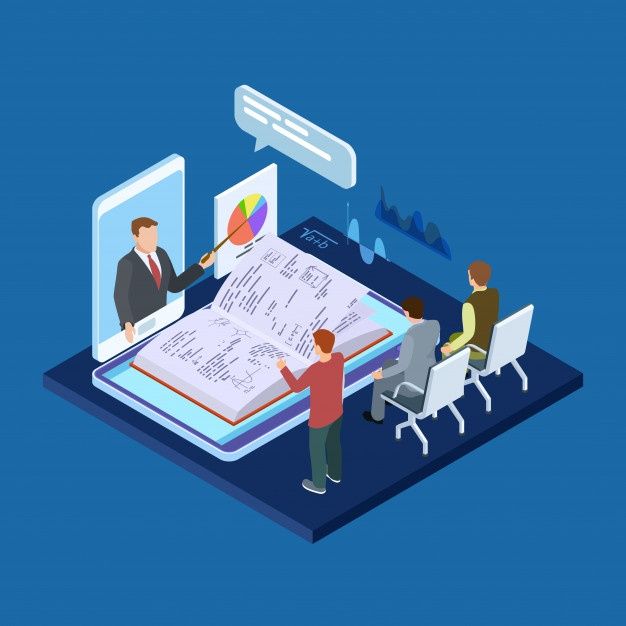
The traditional classroom often operates on a “one-size-fits-all” model, where every student is taught the same content at the same pace. But we know that every learner is unique, with different strengths, weaknesses, and learning styles. Personalized learning, an approach that tailors education to individual students, is the key to unlocking their full potential. And at the heart of this revolution are digital tools.
Here’s how digital tools are making personalized learning a reality:
1. Adaptive Learning Platforms
These are the most direct examples of personalized learning in action. Using Artificial Intelligence (AI) and Machine Learning (ML), these platforms assess a student’s current knowledge and adjust the content and difficulty in real-time.
- How they work: If a student masters a concept quickly, the platform moves them to the next level. If they’re struggling, it provides additional practice, different explanations (like videos or interactive exercises), and targeted support. This ensures no student is left behind or held back.
- Examples: Platforms like Khan Academy and Duolingo use adaptive algorithms to create customized learning paths for each user.
2. Data-Driven Insights
Digital tools provide teachers with invaluable data on student performance that would be impossible to gather manually. This data is the foundation of personalized instruction.
- How they work: Learning management systems (LMS) and assessment tools track a student’s progress, showing which questions they got wrong, how long they spent on an assignment, and which topics are causing the most trouble. Teachers can use this information to group students for small-group instruction, provide one-on-one help, and adjust their lesson plans.
- Examples: Platforms like Google Classroom and Classplus provide analytics dashboards that offer a clear view of each student’s performance and engagement.
3. Flexible Content Formats
Students learn in different ways—some are visual, others are auditory, and many are kinesthetic. Digital tools allow educators to provide content in multiple formats to cater to these diverse styles.
- How they work: Instead of just a textbook chapter, a teacher can provide a video lecture, a podcast, an interactive simulation, or a downloadable infographic. Students can choose the format that helps them understand the material best.
- Examples: Video creation tools like Loom, interactive whiteboards like Miro, and digital design platforms like Canva enable teachers to create a rich variety of content.
4. Fostering Student Autonomy
Personalized learning is not just about the teacher tailoring content; it’s about empowering students to take ownership of their own education. Digital tools support this by giving students more control over their learning journey.
- How they work: With a digital library of resources and assignments, students can learn at their own pace. They can re-watch a complex lecture, skip a topic they already understand, and choose from a variety of projects to demonstrate their mastery. This builds confidence and self-motivation.
- Examples: The flipped classroom model, enabled by video and LMS tools, gives students the flexibility to watch lectures at home and use class time for collaborative activities and problem-solving.
The Classplus Advantage: A Complete Solution for Personalized Learning
While a mix of different tools can get the job done, managing them all can be a headache. This is where an integrated platform like Classplus becomes an essential ally for educators and coaching centers.
Classplus provides a branded, all-in-one platform that brings together all the key elements of personalized learning in one place. You don’t need a separate app for live classes, another for content sharing, and a third for assessments.
- Centralized Data: Classplus offers powerful analytics that give you a holistic view of each student’s performance. You can see their test scores, attendance, and assignment completion rates, all in one dashboard. This data empowers you to provide targeted, personalized feedback.
- Flexible Delivery: With Classplus, you can offer live classes, recorded video lectures, downloadable notes, and interactive quizzes. You can even create and sell self-paced courses, allowing students to learn on their own schedule. This flexibility caters to every type of learner and every learning pace.
- Building a Branded Ecosystem: Classplus goes beyond just providing tools; it helps you build your own brand. You get a dedicated app with your name and logo, which strengthens your professional identity and creates a seamless, personalized experience for your students.
In a world where every student is on their own unique learning path, digital tools are no longer a luxury they are the vehicle that makes personalized learning a reality. By using an all-in-one platform like Classplus, educators can simplify their digital workflow and focus on what truly matters: empowering each student to learn, grow, and succeed on their own terms.
Also Read: what-digital-tools-do-teachers-use