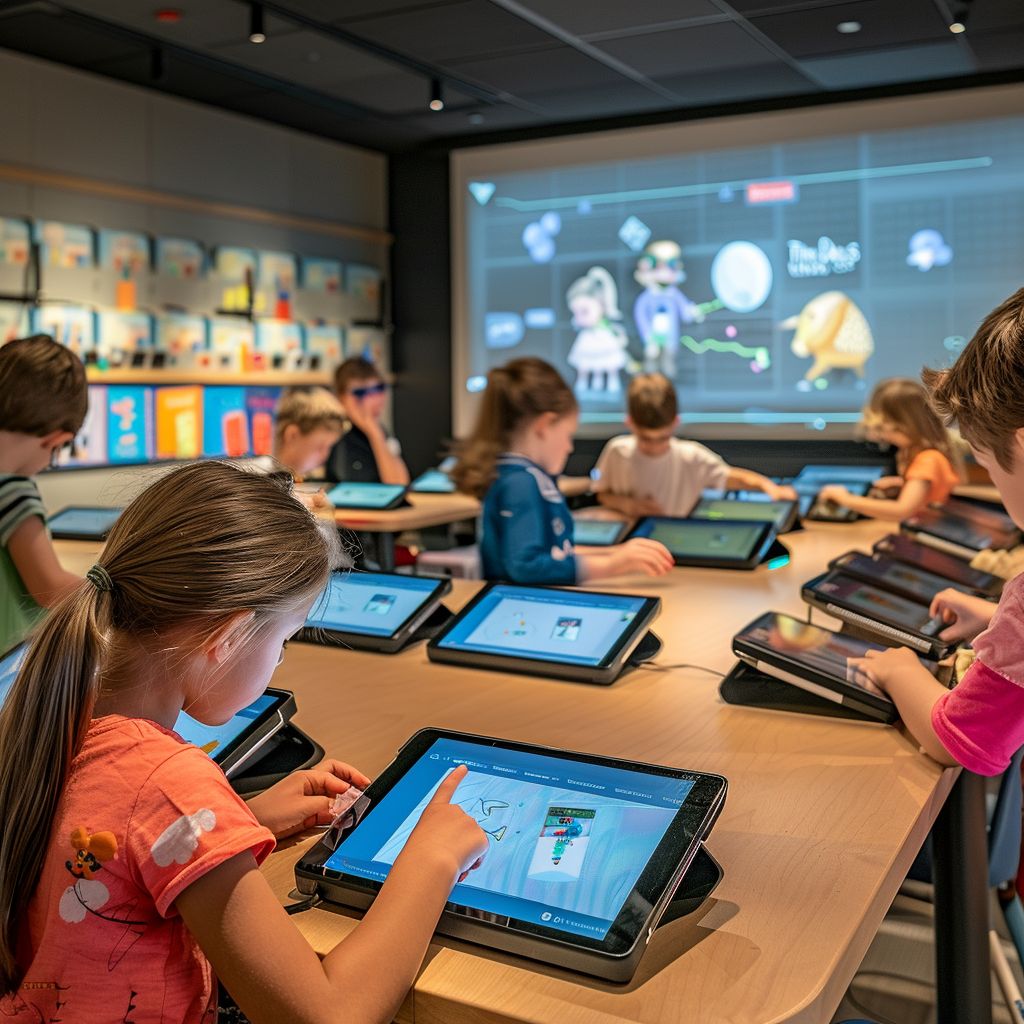
What Are Digital Tools in Education? A Complete Guide for Modern Educators
The landscape of education has undergone a dramatic transformation in recent years, with digital tools becoming the backbone of modern learning environments. From traditional chalk-and-board classrooms to interactive online platforms, technology has revolutionized how we teach, learn, and connect in educational settings.
Digital tools in education encompass a wide range of technological solutions designed to enhance the teaching and learning experience. These tools not only make education more accessible but also create engaging, personalized learning environments that cater to diverse student needs.
1. Understanding Digital Tools in Education
Digital tools in education refer to any technology-based resources, applications, software, or platforms that facilitate teaching, learning, assessment, and educational management. These tools leverage technology to create more interactive, efficient, and effective educational experiences.
The evolution from traditional teaching methods to digital-first approaches has been accelerated by global events, changing student expectations, and the recognition that technology can significantly improve learning outcomes. Today’s educators have access to an unprecedented array of digital resources that can transform their teaching methodologies.
2. Categories of Digital Tools in Education
2.1 Learning Management Systems (LMS)
Learning Management Systems serve as the central hub for online education, providing a structured environment where educators can create, deliver, and manage educational content. These platforms offer features like course creation, student enrollment, progress tracking, and communication tools.
Platforms like Classplus exemplify how modern LMS solutions can empower educators to build their own branded teaching platforms, complete with live classes, recorded sessions, and comprehensive student management features.
2.2 Interactive Content Creation Tools
These tools enable educators to create engaging multimedia content, including interactive presentations, videos, animations, and gamified learning experiences. They help transform static content into dynamic, engaging materials that capture student attention.
2.3 Assessment and Testing Platforms
Digital assessment tools provide efficient ways to create, administer, and grade tests and quizzes. They offer features like automated grading, detailed analytics, and various question formats to comprehensively evaluate student understanding.
2.4 Communication and Collaboration Tools
These platforms facilitate seamless communication between educators and students, as well as peer-to-peer collaboration. They include video conferencing tools, discussion forums, and collaborative workspaces.
3. Key Benefits of Digital Tools in Education
3.1 Enhanced Accessibility and Flexibility
Digital tools break down geographical barriers, allowing students to access quality education from anywhere in the world. This flexibility is particularly valuable for working professionals, students in remote areas, or those with scheduling constraints.
3.2 Personalized Learning Experiences
Technology enables adaptive learning approaches that adjust to individual student needs, learning speeds, and preferences. This personalization helps ensure that every student can achieve their full potential.
3.3 Improved Engagement and Retention
Interactive digital tools make learning more engaging through multimedia content, gamification, and interactive exercises. This increased engagement often translates to better retention of information and improved academic performance.
3.4 Data-Driven Insights
Digital platforms provide valuable analytics about student performance, engagement patterns, and learning progress. Educators can use this data to make informed decisions about curriculum adjustments and individual student support.
4. Essential Digital Tools Every Educator Should Know
4.1 Video Conferencing Platforms
These tools enable real-time virtual classrooms, allowing for live instruction, Q&A sessions, and interactive discussions. Features like screen sharing, breakout rooms, and recording capabilities enhance the online learning experience.
4.2 Content Creation and Curation Tools
Educators can create and organize educational content using various digital tools, from presentation software to video editing platforms and digital libraries.
4.3 Student Response Systems
These tools allow for real-time polling, quizzes, and feedback collection during live sessions, helping educators gauge student understanding and adjust their teaching accordingly.
4.4 Mobile Learning Applications
With the proliferation of smartphones and tablets, mobile learning apps provide students with the ability to learn on-the-go, making education more accessible and convenient.
5. How Classplus Revolutionizes Digital Education
Classplus stands at the forefront of educational technology, offering educators a comprehensive platform to build their own branded teaching apps and websites. The platform addresses the key challenges faced by modern educators by providing:
All-in-One Teaching Solution: Classplus combines live classes, recorded content, assessments, and student management in a single, user-friendly platform, eliminating the need for multiple disconnected tools.
Brand Building Opportunities: Unlike generic platforms, Classplus allows educators to create their own branded presence, helping them build recognition and establish their unique identity in the digital education space.
Seamless Student Experience: The platform offers students a smooth, intuitive learning experience with features like offline content access, progress tracking, and interactive learning materials.
Business Growth Tools: Classplus provides educators with marketing tools, payment processing, and analytics to help them grow their online teaching business effectively.
6. Implementing Digital Tools: Best Practices
6.1 Start with Clear Objectives
Before adopting any digital tool, educators should clearly define their goals and identify specific challenges they want to address. This focused approach ensures that technology serves educational purposes rather than becoming a distraction.
6.2 Provide Adequate Training
Successful implementation requires proper training for both educators and students. Investing time in learning how to effectively use digital tools is crucial for maximizing their benefits.
6.3 Ensure Technical Support
Having reliable technical support systems in place helps address issues quickly and minimizes disruptions to the learning process.
6.4 Maintain a Balance
While digital tools offer numerous advantages, it’s important to maintain a balance between technology use and traditional teaching methods to create a well-rounded educational experience.
7. Challenges and Solutions in Digital Education
7.1 Digital Divide
Not all students have equal access to technology and reliable internet connections. Educational institutions and governments are working to bridge this gap through various initiatives and support programs.
7.2 Technology Integration
Some educators may feel overwhelmed by the rapid pace of technological change. Gradual implementation, ongoing training, and peer support can help ease this transition.
7.3 Data Privacy and Security
With increased use of digital tools comes the need for robust data protection measures. Choosing reputable platforms with strong security features is essential for protecting student information.
8. The Future of Digital Tools in Education
The future of educational technology promises even more innovative solutions, including artificial intelligence-powered personalized learning, virtual and augmented reality experiences, and advanced analytics for predictive learning outcomes.
As technology continues to evolve, platforms like Classplus are constantly innovating to provide educators with cutting-edge tools that enhance the teaching and learning experience while maintaining the human connection that is essential to effective education.
Conclusion
Digital tools in education have transformed from optional supplements to essential components of modern learning environments. They offer unprecedented opportunities for accessibility, personalization, and engagement while providing educators with powerful tools to enhance their teaching effectiveness.
For educators looking to embrace digital transformation, platforms like Classplus provide comprehensive solutions that combine the best of technology with pedagogical expertise. By choosing the right digital tools and implementing them thoughtfully, educators can create more effective, engaging, and accessible learning experiences for their students.
The key to success lies not just in adopting technology, but in using it strategically to enhance educational outcomes while maintaining the human elements that make learning meaningful and impactful. As we move forward, the integration of digital tools in education will continue to evolve, offering even more possibilities for innovative and effective teaching and learning experiences.
Also Read: how-to-launch-teaching-app-benefits-ideas