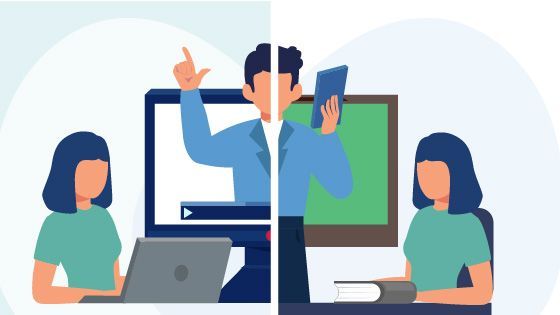
Many students struggle to meet the time commitments of traditional college classes. In contrast, online classes are more suitable for individuals who cannot fit school into their schedules. There are significant differences between traditional and online classes. One major difference is the learning environment. In a traditional classroom, students are physically present with the teacher. They can see, hear, and ask questions directly. However, in an online classroom, the learning environment is virtual. Platforms like Google Classroom are among the best for virtual teaching.
Benefits of Online Classes
Online classes offer numerous benefits. Students can learn at their own pace and choose degrees that fit their interests and needs. Additionally, online education is often more affordable than traditional classes.
Convenience is another advantage. Online classes allow for flexible scheduling, helping students maintain jobs while pursuing their educational goals. However, it is crucial to pick the right online learning platform. These programs vary significantly in features and costs, so understanding what suits your needs is essential.
Time Management in Online Classes
Professors provide ample information about the programs they use to ensure there are no surprises with assignments. An online class is a flexible option that makes time management easier. While you will have a limit on the time spent each week, it is typically much lower than in a traditional setting. This reduced pressure can help you focus on coursework and complete assignments without the stress of rigid timing.
Improvement in Social Interaction
Online classrooms can be challenging for individuals who are shy or uncomfortable in social situations. You will need to speak up to answer questions and participate in discussions. Some courses include group assignments, which can enhance your social skills.
Chat rooms and online forums are great ways to practice communication with classmates. These platforms can create a supportive learning environment that includes both peers and professors.
Online Classes Are More Affordable
Online classes tend to be more affordable than traditional ones, especially when factoring in additional fees like lab fees or health insurance. While you can purchase extra books if needed, they are not always required.
Finding the right class fit can be difficult, but online classes allow for adjustments during the semester. You may need to adapt your study schedule around other life commitments, but this flexibility is a significant advantage.
Professors often send reminders about due dates and provide checklists of assignments. This helps you keep track of your progress in the course. Additionally, online classes give professors flexibility in scheduling meetings, allowing them to balance teaching with their research.
Flexibility and Pace
One of the key benefits of online classes is the ability to complete coursework at your own pace. You might finish an entire course in one semester if you start slowly and work hard. This is especially helpful when juggling work or family obligations.
You can fulfill class requirements while working part-time, allowing you to manage your time effectively. This setup enables you to complete assignments and gain job experience simultaneously.
Conclusion
Online education is not ideal for everyone, but it offers many benefits for students needing flexibility. However, consider potential downsides, such as less interaction with professors and classmates. Teachers can bridge this gap using apps like Classplus, which provides them with their own app to work more effectively with students.
By weighing the pros and cons, you can determine if online classes are the right choice for you.
Also Read: teachers-role-models-students-guide