Introduction
In today’s fast-paced, tech-driven world, education is undergoing a massive transformation. With the rise of digital platforms and remote teaching tools, many educators and institutions are shifting away from purely traditional classroom methods. One approach that has gained substantial traction in recent years is blended learning. As we step into 2025, the question isn’t just whether blended learning is effective, but whether it outperforms traditional learning altogether. This blog aims to explore that question by examining definitions, types, examples, benefits, and limitations.
What is an example of blended learning?
To understand how blended learning works, consider a high school science class. In a traditional classroom, the teacher would typically explain a topic like photosynthesis through lectures and textbook readings. In a blended learning environment, the teacher assigns a video explaining the process before the class meets. Students watch the video at home and then engage in group discussions, hands-on experiments, or Q&A sessions in class the next day.
This combination of online pre-learning and in-person interaction makes the subject more engaging and easier to grasp. Another example can be seen in higher education, where universities offer online modules that students can complete at their own pace, followed by scheduled in-person seminars for deeper discussion. These hybrid setups offer flexibility and reinforce concepts through various forms of engagement.
What best defines blended learning?
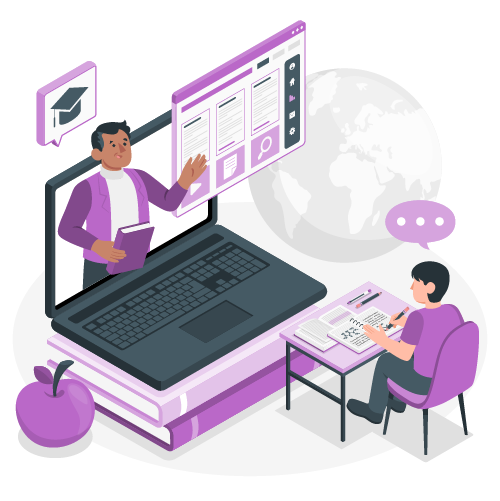
Blended learning is best defined as a strategic mix of online and offline learning experiences. It combines face-to-face classroom instruction with digital learning activities, allowing students to learn at their own pace while still benefiting from teacher guidance and peer interaction.
Unlike purely online courses, blended learning doesn’t remove the human element from education. Instead, it enriches it by allowing teachers to focus on interactive, high-impact activities during physical classroom sessions. This approach often utilizes Learning Management Systems (LMS), video content, digital quizzes, and discussion forums in tandem with traditional teaching methods.
What are the three types of blended learning?
Blended learning isn’t a one-size-fits-all model. There are several approaches, but three major types dominate the educational landscape:
1. Flipped Classroom
In this model, students are introduced to content at home through videos or readings. Classroom time is then used for exercises, projects, and discussions. This flips the traditional model where new content is taught in class and homework is done later.
2. Station Rotation
Commonly used in K-12 education, students rotate between different learning stations. These may include an online learning station, a group project station, and a teacher-led instruction station. It offers variety and keeps students engaged.
3. Enriched Virtual
This model is mostly online but includes occasional face-to-face meetings. It is useful for higher education and adult learning scenarios where students can work independently but still benefit from periodic teacher interaction.
How does traditional learning compare?
Traditional learning relies heavily on face-to-face interaction in a physical classroom. It typically follows a fixed curriculum delivered through lectures, textbooks, and standardized assessments. While it fosters discipline and real-time feedback, it may lack the flexibility and personalization that modern students need.
In contrast to blended learning, traditional methods can sometimes be rigid, less engaging, and challenging for students with diverse learning styles. However, it remains effective in environments where digital infrastructure is lacking or where students thrive on direct supervision.
Benefits of Blended Learning Over Traditional Learning
- Flexibility: Students can access learning materials anytime, making it easier to balance studies with other commitments.
- Personalization: Content can be tailored to suit different learning paces and styles.
- Better Engagement: Interactive digital tools and multimedia make learning more enjoyable.
- Data-Driven: Teachers can use analytics to track student performance and offer targeted support.
- Scalability: It is easier to scale blended models across multiple classrooms or institutions.
Challenges of Blended Learning
Despite its advantages, blended learning is not without hurdles:
- Technology Dependence: Not all students have access to reliable internet or devices.
- Teacher Training: Effective implementation requires teachers to be comfortable with digital tools.
- Time Management: Students need discipline to manage their time effectively in a self-paced environment.
- Assessment Accuracy: Measuring performance through online tools can sometimes be misleading.
Why 2025 is a Turning Point
The year 2025 is seeing more institutions adopt a blended approach due to increased digital literacy, better infrastructure, and demand for flexible education. Hybrid models are no longer considered optional but essential. This trend is also supported by government initiatives promoting digital learning and teacher upskilling.
Additionally, post-pandemic shifts have normalized remote education, making it easier for schools to integrate technology into their core curriculum. As artificial intelligence and data analytics tools become more advanced, the potential of blended learning will only grow.
Blended Learning in the Indian Context
In India, blended learning is gaining momentum, especially in urban schools and higher education institutions. Platforms like DIKSHA, Classplus, and Byju’s are leading the way by offering tools that integrate digital content with classroom teaching.
Teachers are using WhatsApp, YouTube, and Google Classroom to supplement their lessons, while students benefit from the flexibility of learning at their own pace. The National Education Policy (NEP) 2020 also advocates for more tech integration, making blended learning a national priority.
Teacher and Student Perspectives
From the teacher’s perspective, blended learning allows for more dynamic and impactful lesson planning. Educators can focus classroom time on activities that foster critical thinking, rather than just delivering lectures.
Students, on the other hand, enjoy the autonomy it offers. They can revisit difficult topics through recorded lectures or online quizzes. Peer collaboration is also enhanced through discussion boards and group projects managed digitally.
Conclusion: Which One Wins?
So, which method works better in 2025 — blended learning or traditional learning?
The answer lies in context. While traditional learning remains effective in certain scenarios, especially where digital resources are scarce, blended learning proves to be a more adaptive, inclusive, and engaging model for the modern learner.
Its ability to combine the best of both worlds — face-to-face interaction and digital flexibility — makes it an invaluable approach in today’s educational landscape. As technology continues to evolve, the success of education systems in 2025 and beyond will depend largely on how well they embrace blended learning.
FAQs
1. Is blended learning better than online learning?
Yes, it offers a balance between self-paced digital learning and teacher-guided instruction, providing a more holistic experience.
2. Can blended learning be used in primary education?
Absolutely. With the right tools and training, even young learners can benefit from this model through interactive content and guided activities.
3. How do teachers prepare for blended learning?
Teachers should familiarize themselves with digital tools, create structured lesson plans, and undergo training on managing online platforms effectively.
4. Is it expensive to implement?
Initial setup may require investment in technology and training, but over time, it becomes cost-effective and scalable.
5. What skills do students need for blended learning?
Students should have basic digital literacy, time management abilities, and a proactive approach to learning.
Also read :
Benefits of a Personalized Teaching